
Patient Information

Understanding IC/BPS
Living with Interstitial Cystitis/Bladder Pain Syndrome (IC/BPS) can raise many questions. This page provides clear information on the condition, its subtypes and how it affects the patient.

Support & Resources
Explore related disorders, recommended books, and useful websites to help you and your loved ones navigate the condition with confidence.

Diagnosis & Treatment
Find guidance on how IC/BPS is diagnosed, the range of treatment options available, and specific information on Hunner Lesion Disease.

Find the information you need
Whether you are looking to understand IC/BPS, learn about diagnosis and treatment, or find further resources and support, simply choose a topic below to get started.
Interstitial Cystitis/Bladder Pain Syndrome: an Overview

Living with interstitial cystitis/bladder pain syndrome (IC/BPS) can raise many questions — for patients, families, and carers alike.
This section brings together clear, reliable information on the condition: from understanding what IC/BPS is, to diagnosis, treatment options, and related disorders, to support you along the way.
Interstitial Cystitis/Bladder Pain Syndrome: Diagnosis
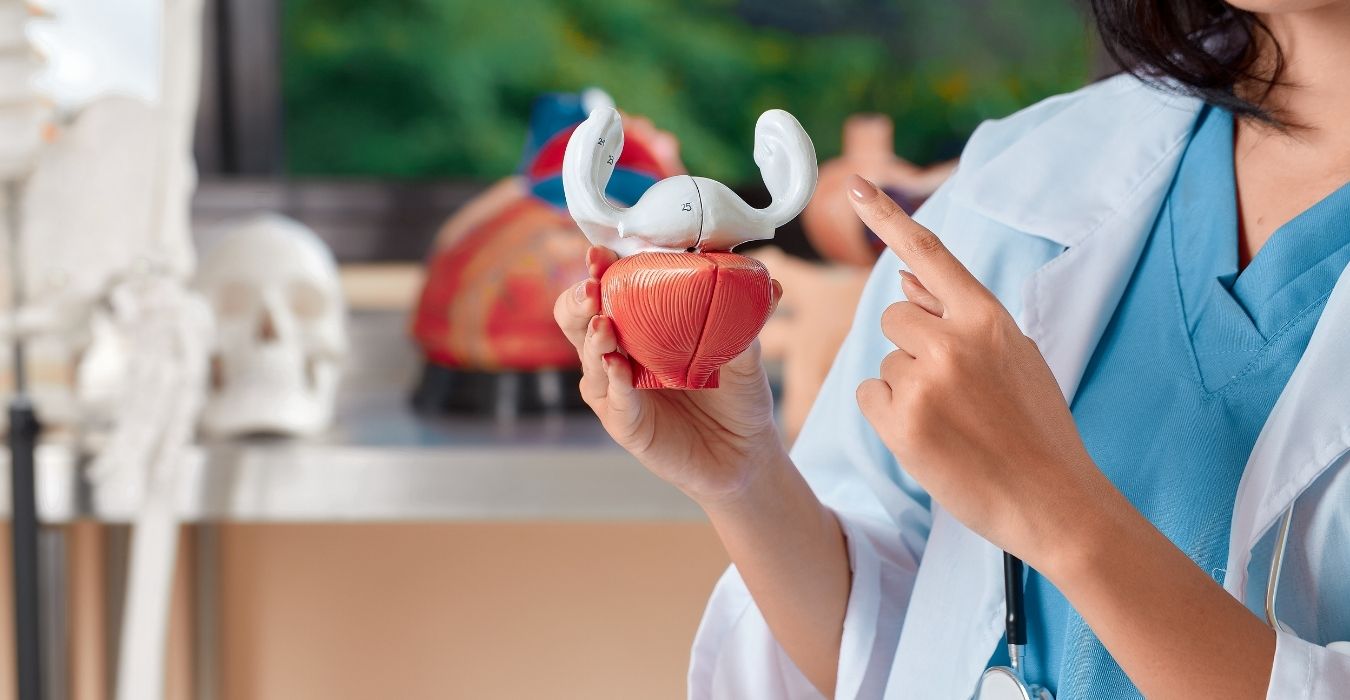
Diagnosing IC/BPS can be a complex process, as bladder pain may have many different causes. Here you will find an explanation of how the condition is diagnosed — from the first appointment with a family doctor to referral to a specialist — along with an overview of the tests and procedures used to identify IC/BPS and distinguish it from other conditions, including cystoscopy, which remains the only way to detect Hunner lesions.
Hunner Lesion Disease: Diagnosis and Treatment
Hunner Lesion Disease (IC/HLD) is the rarest subtype of IC/BPS, identified by inflamed areas on the bladder wall called Hunner lesions. Because it requires a different treatment path from IC/BPS without lesions, early diagnosis is essential.
Here you will find an explanation of the symptoms specific to IC/HLD, how it is diagnosed through cystoscopy, and the range of treatments available, from bladder-directed therapies to, in the most severe cases, surgery.

Interstitial Cystitis/Bladder Pain Syndrome: Treatment

Since there is currently no complete cure for IC/BPS and no single treatment effective for all patients, care is focused on alleviating each individual’s symptoms and improving quality of life.
Here you will find an overview of the different treatment approaches available — from self-care strategies and oral medication to bladder instillations, neuromodulation, and, in the most severe cases, surgery — along with guidance on finding a clinic experienced in IC/BPS.
Interstitial Cystitis/Bladder Pain Syndrome: Associated Disorders

Many patients with IC/BPS also live with one or more non-bladder conditions, known as associated disorders or comorbidities.
Here you will find an overview of the conditions most commonly linked to IC/BPS — including autoimmune diseases, chronic pain syndromes, pelvic floor dysfunction, gastrointestinal disorders and others — and why recognising them is an important part of developing an effective, individualised treatment plan.
IC/BPS: Patient Support Organizations Worldwide

Living with IC/BPS can feel isolating, and talking to others who truly understand the condition can make a real difference.
Patient organizations around the world offer peer support, trusted information and advocacy, often in the patient’s own language. Many also run online communities, helplines and local support groups, and some work to raise awareness and represent patients’ interests at national and international level. Download below to read more.